The hidden cost of WordPress
The WordPress Paradox
The tool that's easiest to set up is the hardest to maintain properly. Here's why - and what to do about it.
The promise
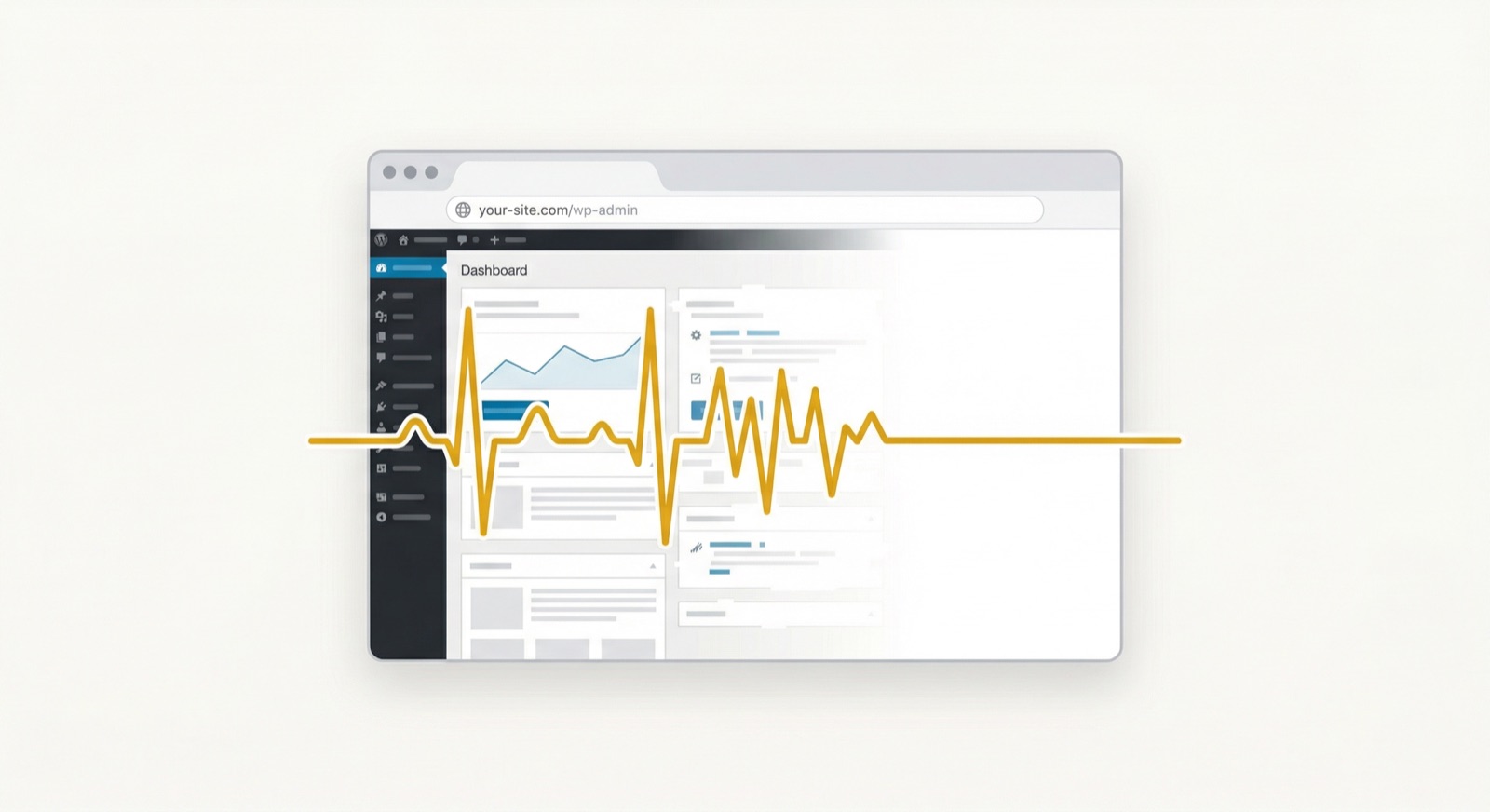
WordPress powers 43% of the web. Open source, flexible, thousands of plugins for anything you can think of. Need a contact form? Plugin. SEO? Plugin. E-commerce? Plugin.
For good reason, it's the go-to choice when building a new website. Agencies recommend it, businesses love it, and the ecosystem around it is massive. You can have a professional site up in days, not months.
On paper, WordPress sounds brilliant. And for a while, it is.
The first year
Everything works. The site looks exactly like the mockups. Forms submit, pages load fast, the client is happy. The agency might handle a few updates in the first months.
You log into the dashboard occasionally. There's a little notification badge - "2 updates available." You click update. Done. Easy. You wonder what all the fuss is about.
The slow creep
Then it starts. Quietly, like most problems do.
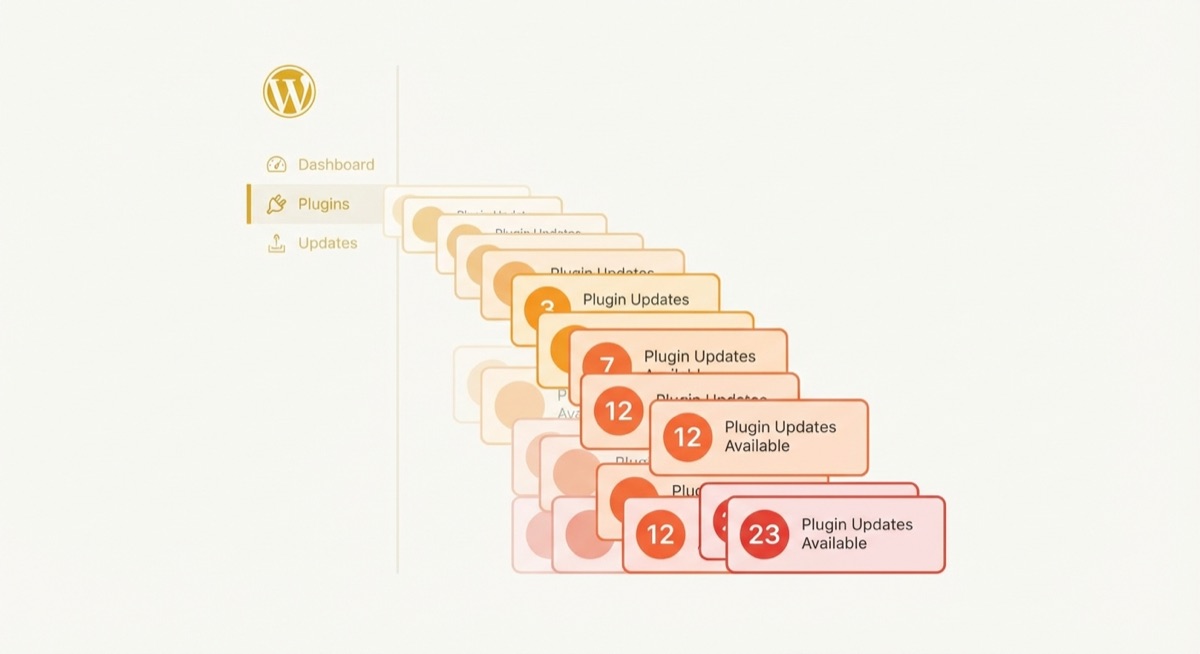
A plugin update notification you dismiss because you're busy. Then three more. A WordPress core security patch you meant to install last Tuesday. The PHP version warning you don't quite understand. A banner that says "your WordPress version is out of date" that you've stopped noticing entirely.
The notification badge now reads 12. Then 23. At some point you stop logging in.
The site still works. That's the dangerous part - everything seems fine from the outside. But under the surface, known vulnerabilities are accumulating. Plugins are falling out of compatibility with each other. The gap between your version and the current version is growing wider every week.
The white screen
Eventually, one of two things happens. Either you finally work up the courage to click "Update All" - or something breaks on its own.
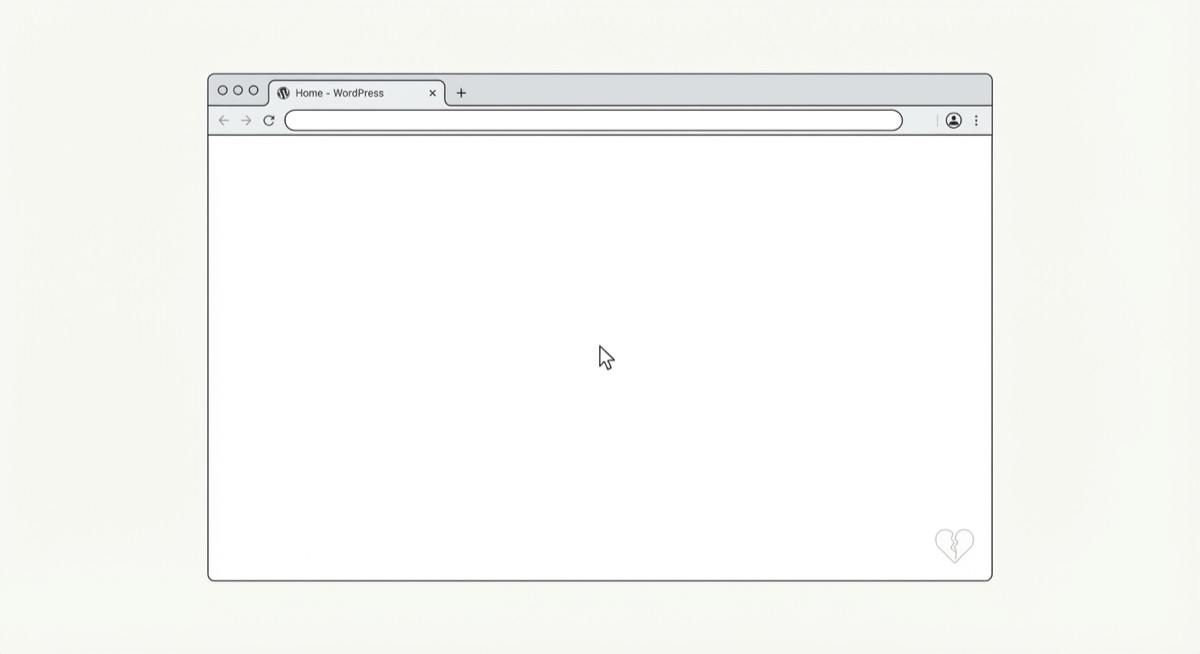
You open your website and there's nothing there. Just white. No error message, no helpful hint - just a blank screen and a sinking feeling in your stomach.
The WordPress White Screen of Death. It's so common it has a name. A plugin conflict, a failed update, a PHP incompatibility - you'll never know which one without digging through server logs.
Now you're scrambling. Your site is down. Customers can't reach you. The contact form that brings in 30% of your leads isn't working. You Google "WordPress white screen fix" and find 47 articles, each suggesting something different.
You call the agency that built the site. They charge emergency rates. Or worse - they're not available until next week.
The math nobody does
Here's what actually happens when your WordPress site breaks:
That's the paradox. WordPress is free. Plugins are cheap or free. Hosting is 50-100 kr/month. So the total cost of ownership feels low. But nobody budgets for the day it breaks - and when it does, you're paying emergency rates while your customers can't reach you.
Prevention costs 99 kr/month. An emergency costs thousands - plus the business you'll never know you lost.
The two options
You either build maintenance into the cost of having a website - the same way you budget for hosting and domain renewal - or you gamble that nothing breaks.
Most people gamble.
Most people lose eventually.
What we do about it
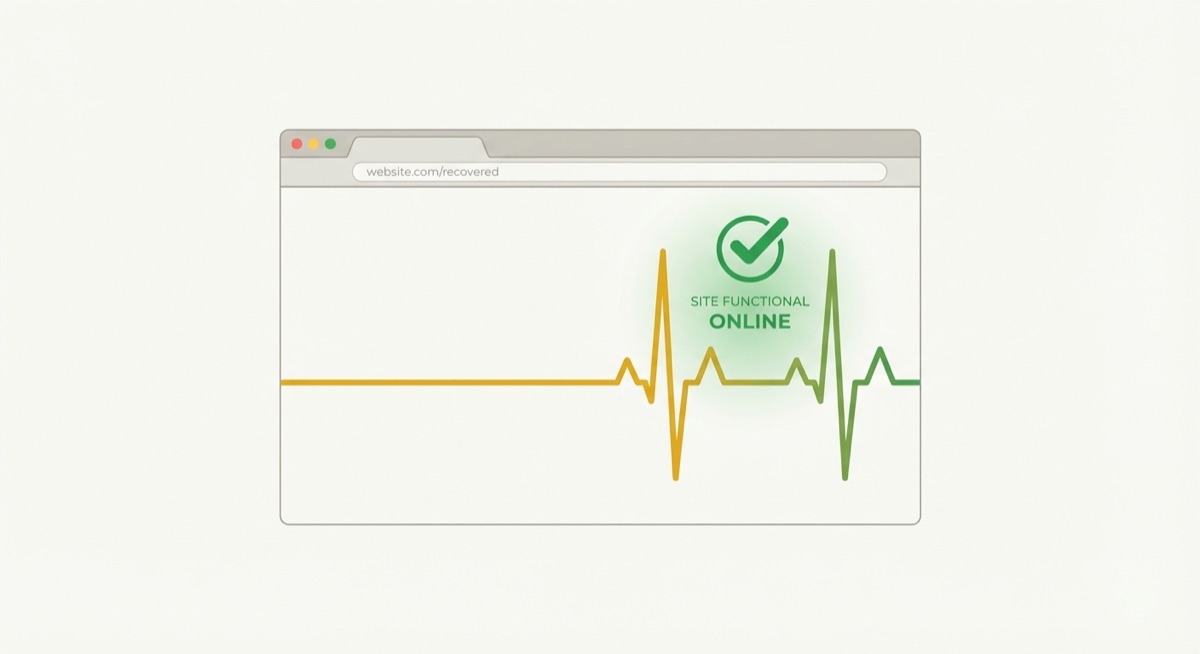
WPulse is automated WordPress maintenance that solves this exact problem.
Every month, we connect to your server, back up all your content and settings, update WordPress and all plugins, and verify everything works. If something breaks, we roll it back automatically. You get an email when it's done.
No plugins installed on your site. No access to your WordPress admin. Just secure, direct maintenance. You never have to think about it.
99 kr/month per site. 990 kr/year (save 2 months). Less than a single hour of developer time - for a whole year of peace of mind.